
When the bell rings at the end of each term, there is a happy buzz as kids leave school for the break. But for many parents, the start of the holidays brings a different feeling entirely: how are they going to keep their children engaged for two weeks and sometimes more?
One way is through school holiday programs, which take children for all or most of the work day. These can range from general programs on school sites – which might have sporting and craft activities for children as well as general play. It might also involve excursions to places such as zoos or adventure parks.
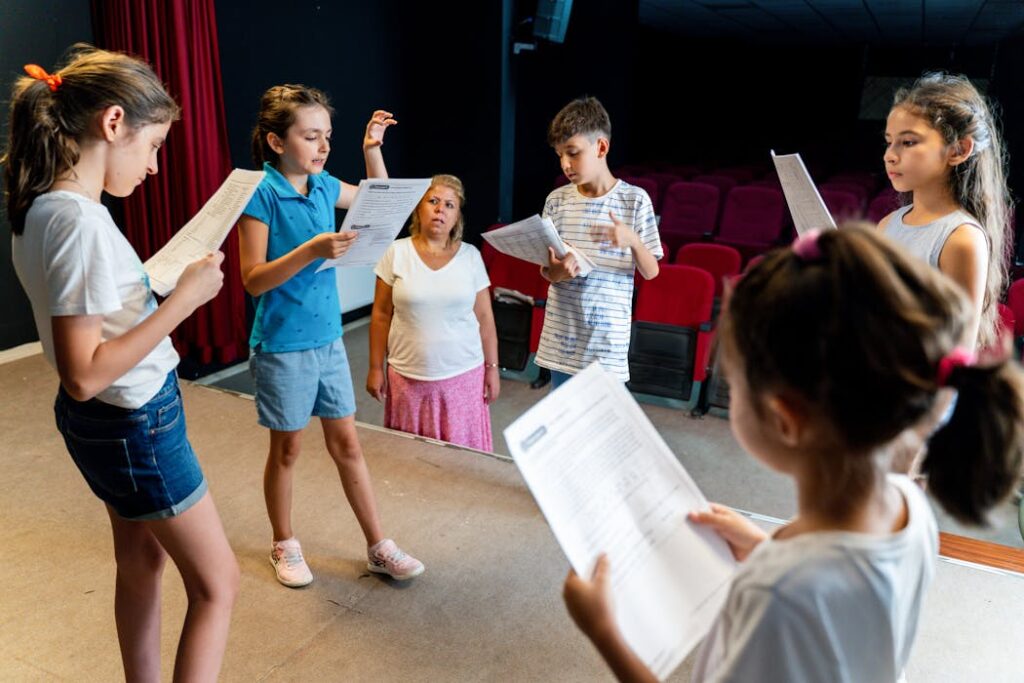
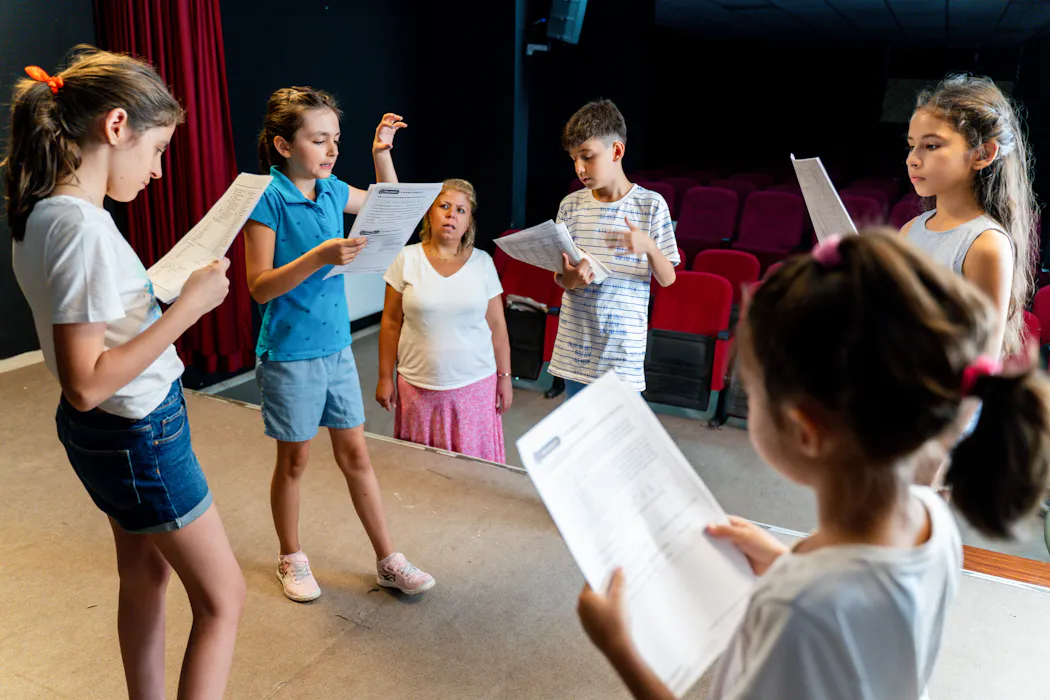
Other programs might be run by other operators, and focus on soccer, basketball, coding, art or drama.
How can you tell if your child’s program is good quality?
Access is tricky
First, we need to acknowledge that holiday program places fill quickly and costs add up. Some programs cost more than $100 a day, per child. While some are eligible for government subsidies, many are not.
Our analysis has highlighted how limited access can be for Australian families. Holiday programs where parents can claim the government’s Child Care Subsidy only have capacity for 18% of Australian primary school children. That’s around 413,000 places for more than 2.3 million primary school children (aged around 5–12).
Access is even more constrained outside major cities, with some regional communities having only one provider, or none at all.
Why holiday programs matter
School holidays provide an important break from routine for children.
But we also know many parents have to work during the holiday and kids can spend too much time being sedentary and on screens.
School holiday programs provide opportunities for children to spend time with peers and supportive adults, participate in engaging activities, and maintain routines during the break.
Our reviews show structured holiday programs can help maintain children’s physical activity and boost their social and emotional wellbeing.
More than ‘child minding’
Outside School Hours Care – also called after-school care or “afters” – is a major provider of holiday care for Australian children.
Quality holiday programs run by these providers offer more than just supervision.
Our research, co-designed with young people, shows effective programs provide opportunities for children to explore interests, build friendships, develop confidence and participate in meaningful activities.
Research also suggests children benefit when programs include choice, allowing them to contribute ideas, try new activities and connect with peers.
What you should look for
While availability and cost often shape decisions for families, there are several indicators that can help parents assess quality. Here are some questions to ask.
Is it varied? If they offer a mix of creative, physical, social and exploratory activities, they are more likely to keep children interested and motivated.
Is there choice for kids? High-quality programs allow children some say in activities or how they participate, supporting confidence and enjoyment.
Does it encourage social connections? A good program will be able to talk about how it supports friendships and inclusion.
Is there movement and outdoor time? Some programs may specifically be for coding, crochet, art or other naturally sedentary activities.
Is there clear communication with families? This includes information about costs, schedules, staffing and supports.
If the holiday program is offered through an Outside School Hours Care, it is worthwhile looking for services assessed under the National Quality Standard. This is the system that rates other forms of childcare and will be able to tell you how the service is performing. These ratings consider factors such as programming, safety, staffing and relationships with children.
Possible warning signs
While every program differs, some features may signal lower quality. They include:
heavy reliance on passive entertainment, such as extended screen time
unclear information about staffing or supervision
unexpected additional costs
a focus on containing the children rather than engagement and relationships.
How can access improve?
Our research has called for improving access to affordable, high-quality holiday programs.
This could include increasing the number of government-supported places, expanding programs in regional and under-served communities and supporting providers to recruit and retain qualified staff. The federal government also needs to ensure the Child Care Subsidy reflects the real cost of delivering high-quality programs, so fees are not simply passed on to families.
Without these changes, many children will continue to miss out on the kinds of experiences that support wellbeing, confidence and connection during school holidays.

Alyssa Milton has received research funding as chief investigator for research on children’s wellbeing, co-design and Outside of School Hours Care.
This includes funding from the University of Sydney’s Sydney Policy Lab for the Beyond the Bell Initiative.
The Connect, Promote and Protect (CP3) program has also received funding from Uniting NSW.ACT from Future Horizon’s Award, the University of Sydney’s Brain and Mind Centre, and the NSW Department of Education via an Innovation Grant. CP3 research is currently being supported by the Digital Health Cooperative Research Centre (DHCRC), which is funded through the Commonwealth Department of Industry, Science and Resources’ Cooperative Research Centres Program.
Alyssa Milton and CP3 research have been supported partially by the Australian Research Council Centre of Excellence for Children and Families over the Life Course (Project Number CE200100025).
The Connect, Promote, and Protect Program has an executed intellectual property agreement between the University of Sydney (including Alyssa Milton) and Uniting NSW.ACT.
Alyssa Milton is a Board Member of Life Education NSW, President-Elect of the Society for Mental Health Research, Chair of the Sydney Health Partners Mental Health Clinical Academic Group, and Director of Knowledge Transfer at the ARC Centre of Excellence for Children and Families over the Life Course (Life Course Centre).
Alyssa Milton’s research in mental health is supported by the National Health and Medical Research Council (NHMRC; GNT2025098) and the Medical Research Future Fund (MRFF; MRF2032279).
Kate Harrison Brennan was an advisor to Prime Minister Julia Gillard. She has received funding from the Paul Ramsay Foundation for the Australia Cares project at the Sydney Policy Lab. The Sydney Policy Lab has a project with funding from a Social Determinants of Health Innovation Grant from the Ramsay Hospital Research Foundation; a partnership with SEED Futures, engaged on primary prevention in the early years; and a project with the Brain and Mind Centre at the University of Sydney on Beyond the Bell – rethinking after school hours in Australia. Kate serves on the Advisory Council of SEED Futures.
Emily Eglitis does not work for, consult, own shares in or receive funding from any company or organisation that would benefit from this article, and has disclosed no relevant affiliations beyond their academic appointment.
Read More: Read More